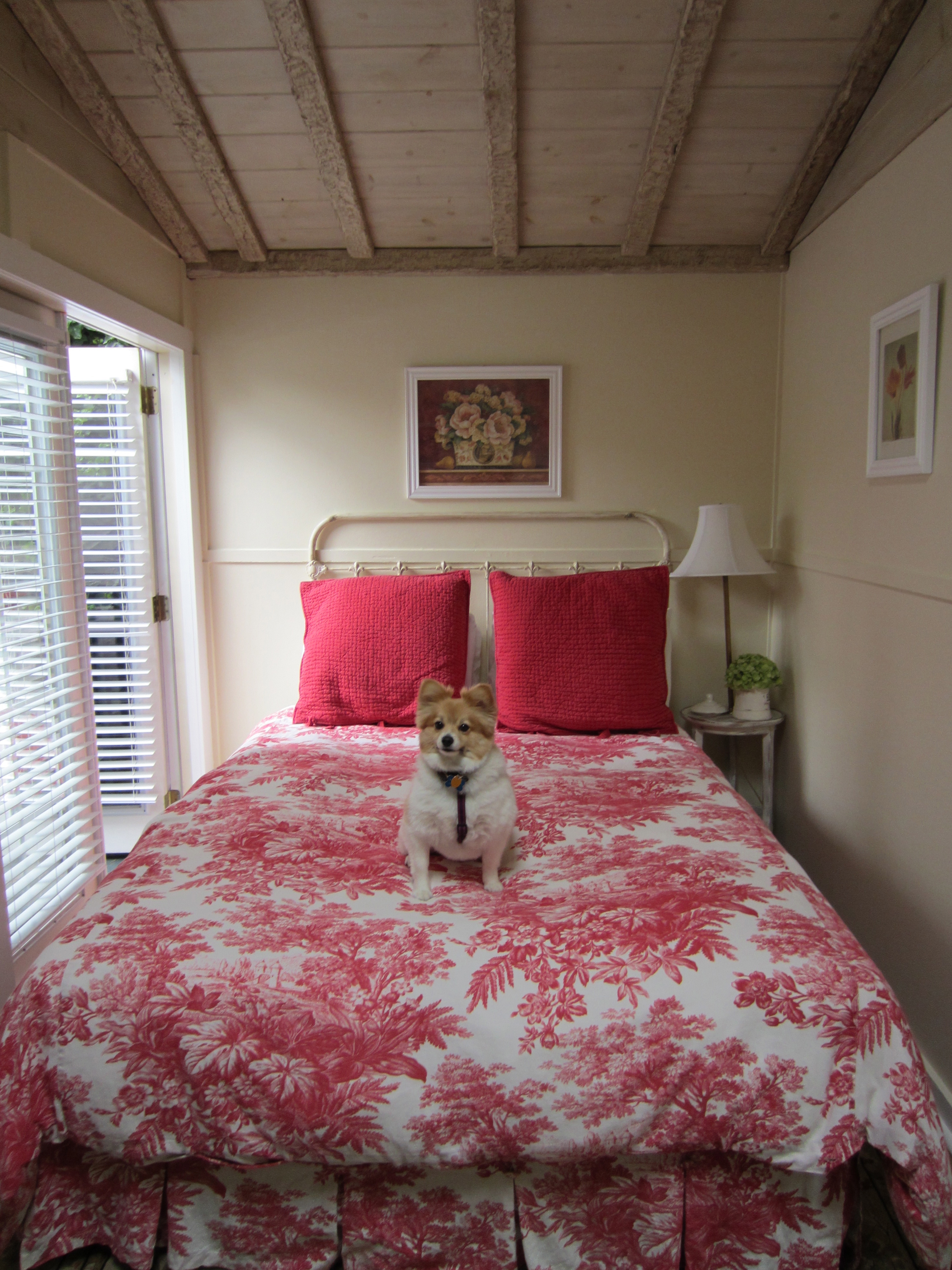
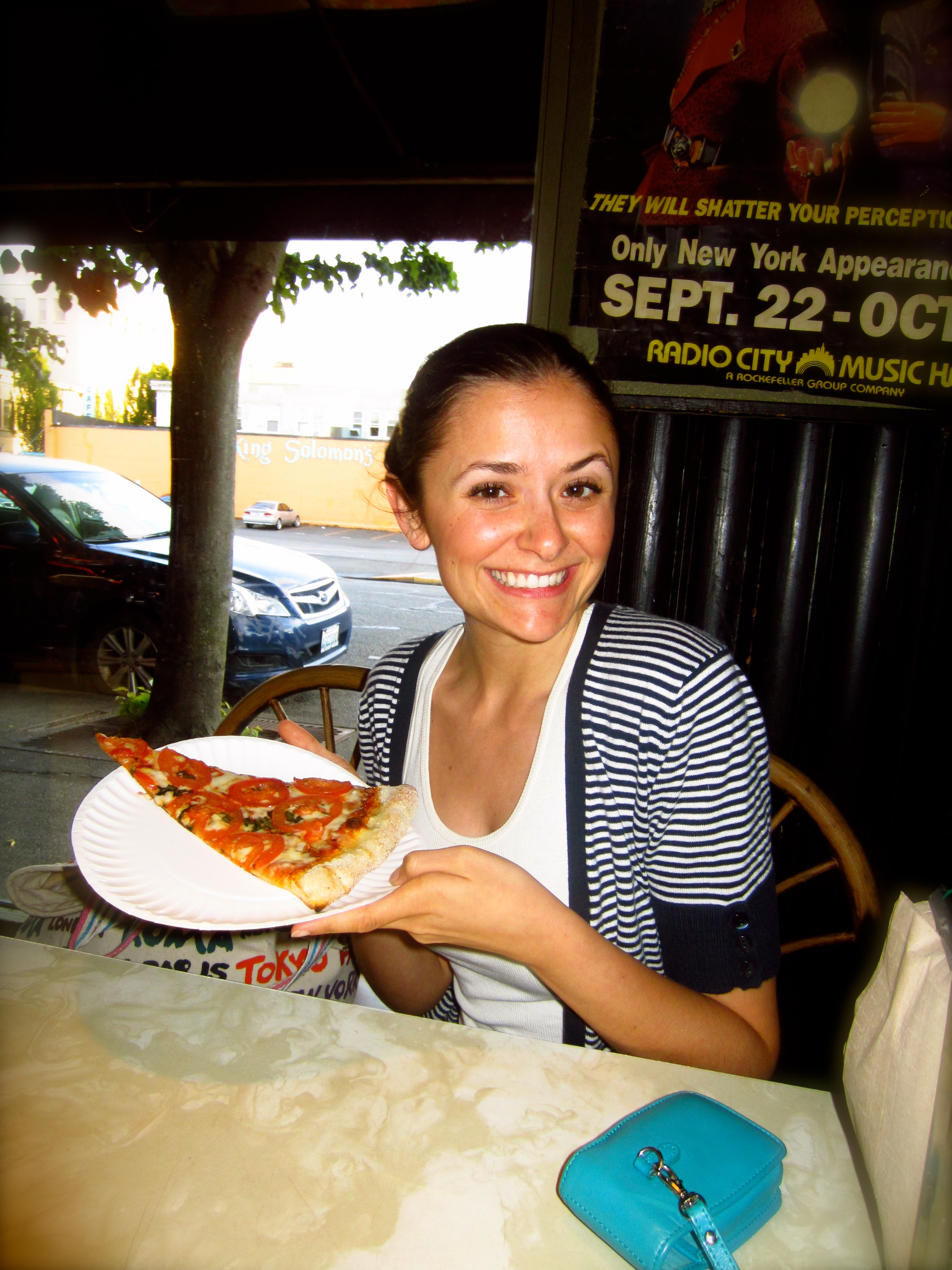
A couple weeks ago I submitted my first guest blog article to Bucket List Publications and today it was published! Check out the un-smelly Simon and our trip to Carmel. Definitely one of our travel highlights of 2012!
In fourth and fifth grade, when we want to add on to something someone else has already said, we begin with sentence starters like, “I’d like to piggyback off what so-and-so said,” or “I concur with so-and-so because…” In the same spirit of properly acknowledging other people’s thoughts, today I would like to piggyback off what Descent Into Slushland shared recently about the importance of knowing your characters when writing your query.
Basically, he suggests that writing a good query hinges on knowing your characters instead of attempting to outline the plot. He has some great points and examples, so instead of trying to recapture his ideas, I recommend clicking the link above and reading his post yourself. Interestingly, his points inspired me to make a list of the characteristics of my two main characters, Kristen and Jake. We all think we know our characters, but sometimes we need check-ins to keep ourselves honest, or at least I do.
What I discovered was actually amazing. I found a small hole in my book that I was able to fill with an additional short chapter, adding another 1,000 words to my word count in the process and helping to create a fuller understanding of my characters and their relationship with each other. Sure, I outlined my characters before I began my book, but they changed through my writing, creating slightly different people than the ones I started with. Instead of tweaking those original descriptions, I just kept my evolving ideas of who they were in my head, which ended up leaving a gap between who I thought they were and who I wrote they were.
I can tell my query is going to be a lot stronger as a result of this reflection too, although I still refuse to give it my full energy until I finish my final read of my book, (here is my pitch as it stands now). I guess what Descent into Slushland helped me realize is that written check-ins with your characters throughout your writing are important, not just in the beginning or middle. Of all the advice I have read on query writing, this has been most useful for the way my own brain works. Thanks Descent!
I’m now officially back into the world where I spend zero personal time on the computer during the workday. Accordingly, I have to fit all my blogging and other social media needs into my personal prime time, when exercise, family, dog walking, house cleaning, writing, reading, and that pesky schoolwork are also competing for my attention.
As such, I’ve decided that I need to cut down on all behaviors that are a waste of time. In other words, my internet usage has to be get in and get out so that I still have time for all those wonderful things that matter more, particularly writing. I have to admit, it’s a little depressing to walk away from my writing after getting to focus so many hours a day on it, but this is the reality for most writers, so I need to make the best of it.
What are your secrets? How do you balance your writing life with your personal and work lives? Do you have specific hours that you set aside during the week for writing? Do you have any tricks for helping to minimize the amount of time spent wasted on endeavors that aren’t as important on your priority list? Plenty of people seem to write and still have rich personal and work lives… Right?!
I want my focus on work evenings to be exercise/health, dog walking, time with my husband, and writing (be it blog or novel), so I get really frustrated when I realize I’ve spent thirty minutes looking for a lost receipt or surfing through a bunch of inane chatter on Facebook. Accordingly, my goal is as little wasted time as possible. Relaxation does not count as wasted time, but too much internet usage does.
I think that’s my cue. Closing laptop now. Look forward to reading your secrets soon.
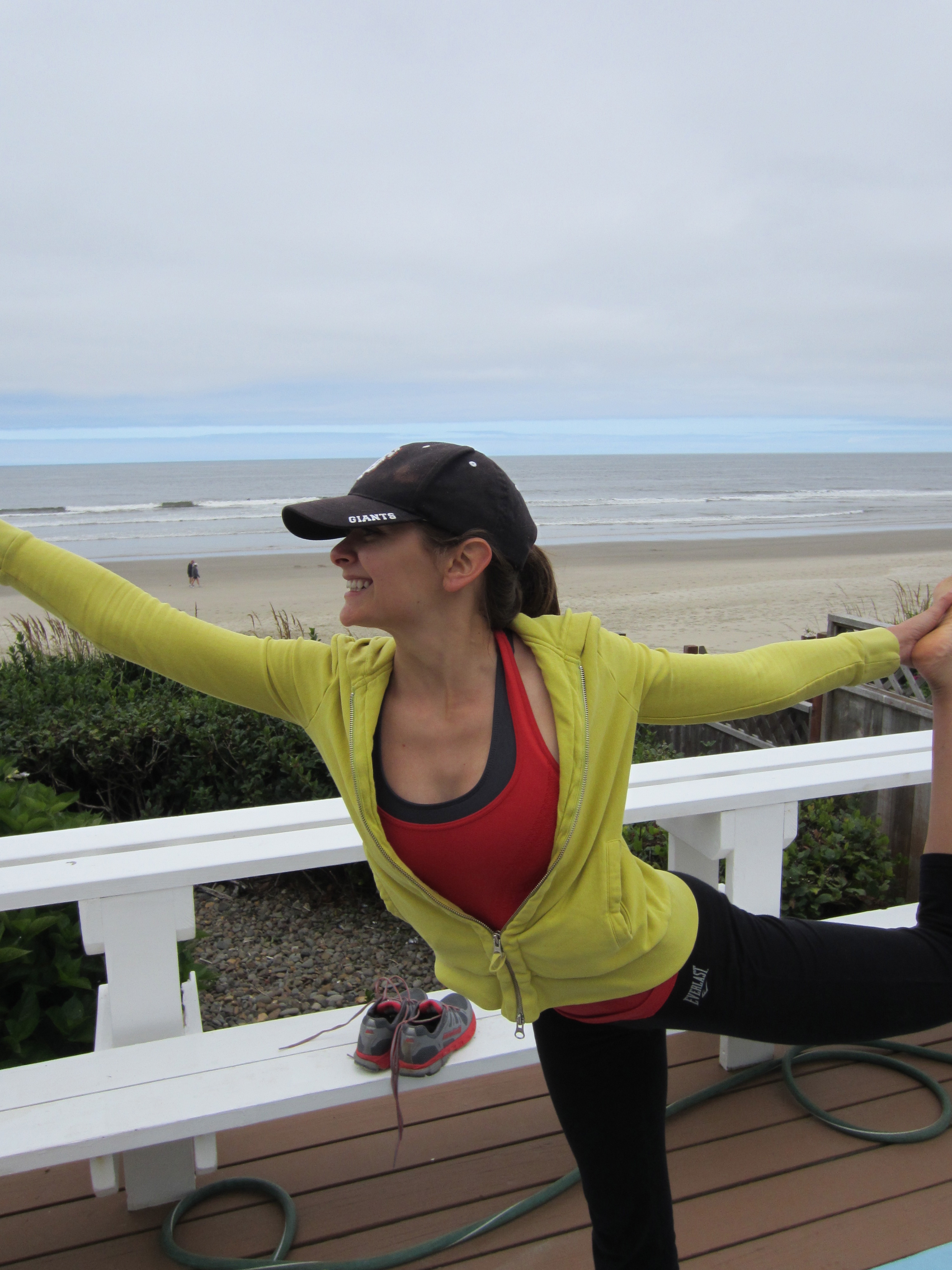
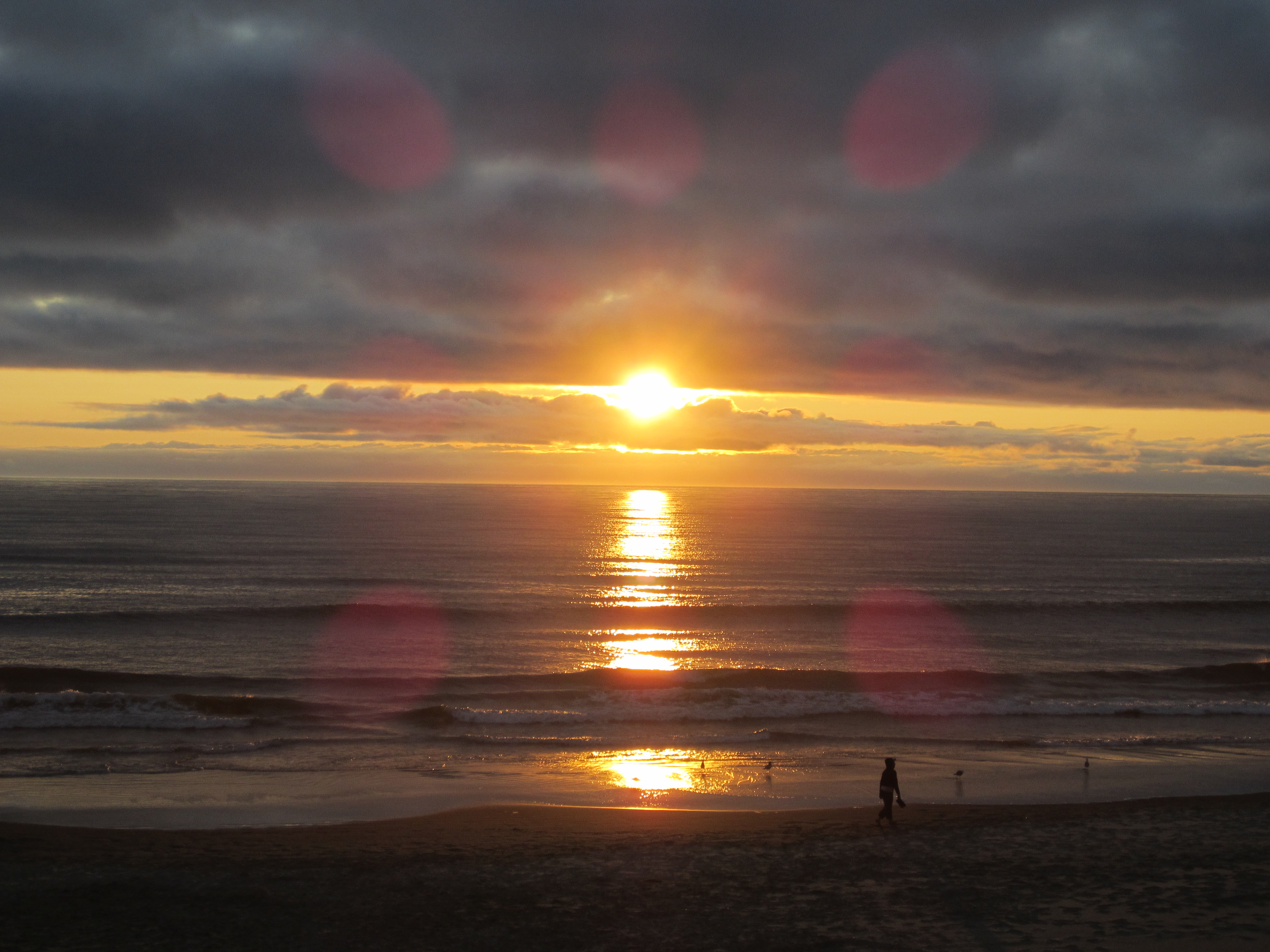
Today, the last day of my summer travel, I enjoyed two of my favorite beach activities. I awakened to yoga on the sand and ended the evening with a night walk under the stars. The perfect farewell.
I know I’ve shared before, but if you practice yoga, I highly recommend purchasing a travel mat– they’re slimmer and easy to pack. This morning I took my mat out to the beach after my run. I’ve always preferred taking classes to practicing on my own, but on vacation I make an exception that is well worth it. Not even a class can beat the feeling of practicing on the beach, staring out at the ocean. Of course, it works best on unpopulated beaches, like those in Oregon. Admittedly, I refuse to take out my mat anywhere with an audience.

Always time for one more pose off the beach… I’m telling you, beach yoga rocks, (although I can hear my instructor’s voice telling me I need to kick through this pose before I begin to lean forward… yeah, yeah, I’m working on it!).
Essential beach farewell activity number two was tonight’s walk along the shore under the stars. Night on the beach is my favorite time, the moonlight bouncing off the sand, creating enough light to see without a flashlight. Most of all, I enjoy staring off into the waves or up at the stars, I can never pick. If you visit the beach before I return, do some yoga and walk under the stars for me.
Farewell Beach
The tide pulls me closer,
The waves and moon magnetic to my soul.
Come closer, still
The ocean calls
One step more,
Just your toes,
Another step–
Come dance with me in the waves,
I’ll keep you safe.
Right, I think.
You’ll just drown me with your violent touch,
Instead I come to say farewell.
But you could stay,
It says.
Give me first your toes,
And then your ankles,
Come closer and we’ll become one with the stars.
Staring into the turquoise waters off Kauai, our catamaran bouncing over the waves, I imagined a mermaid swimming alongside us. She was beautiful but also frightening. Seducing men, and maybe some women, to follow her beneath the surface. It was then I decided to attempt my first fantasy story, a dark siren tale of two worlds, one on land, one beneath icy, deep waters. Not Little Mermaid, or Splash, or anything of the sort. Something more hypnotic, dangerous.
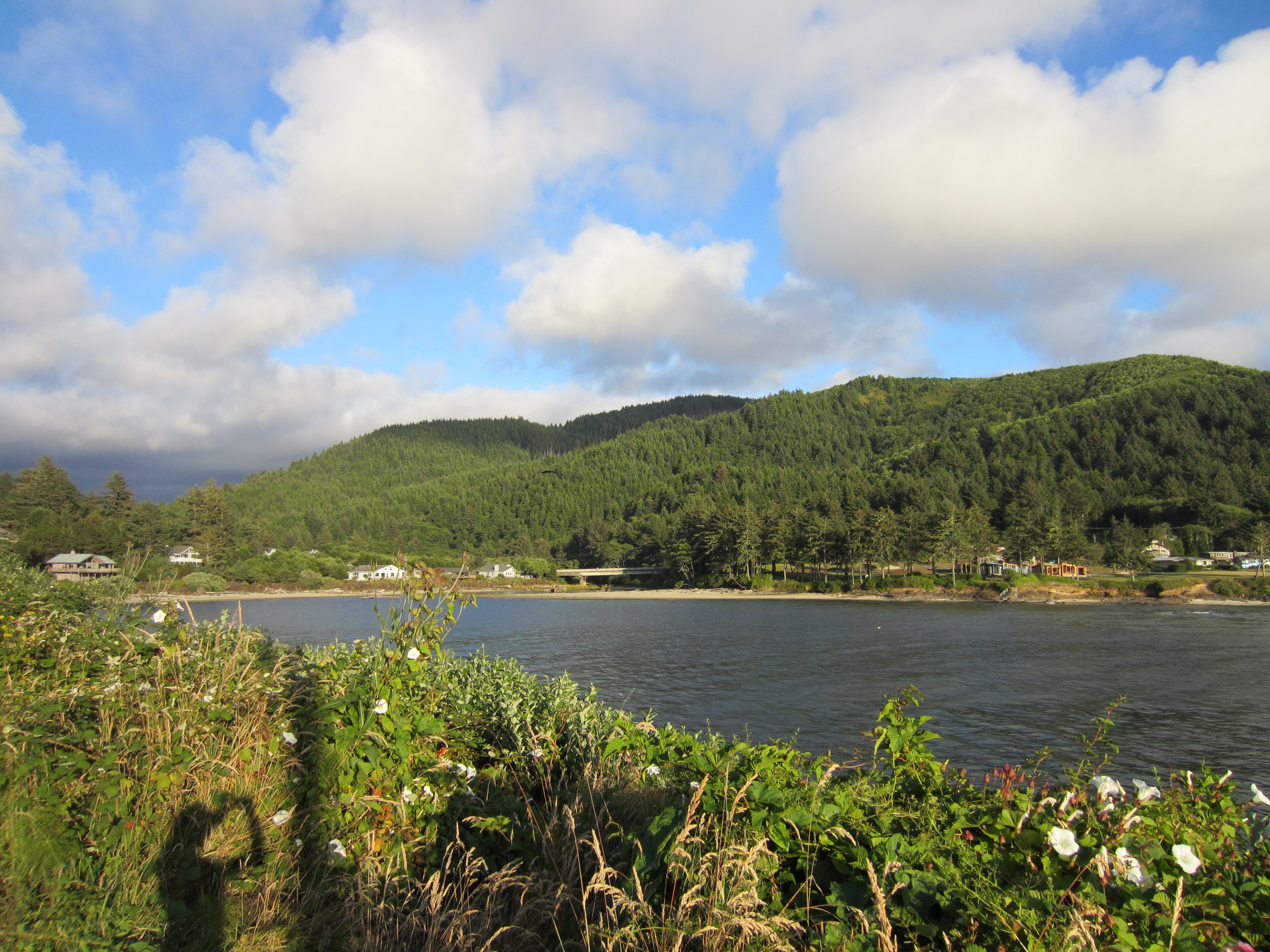
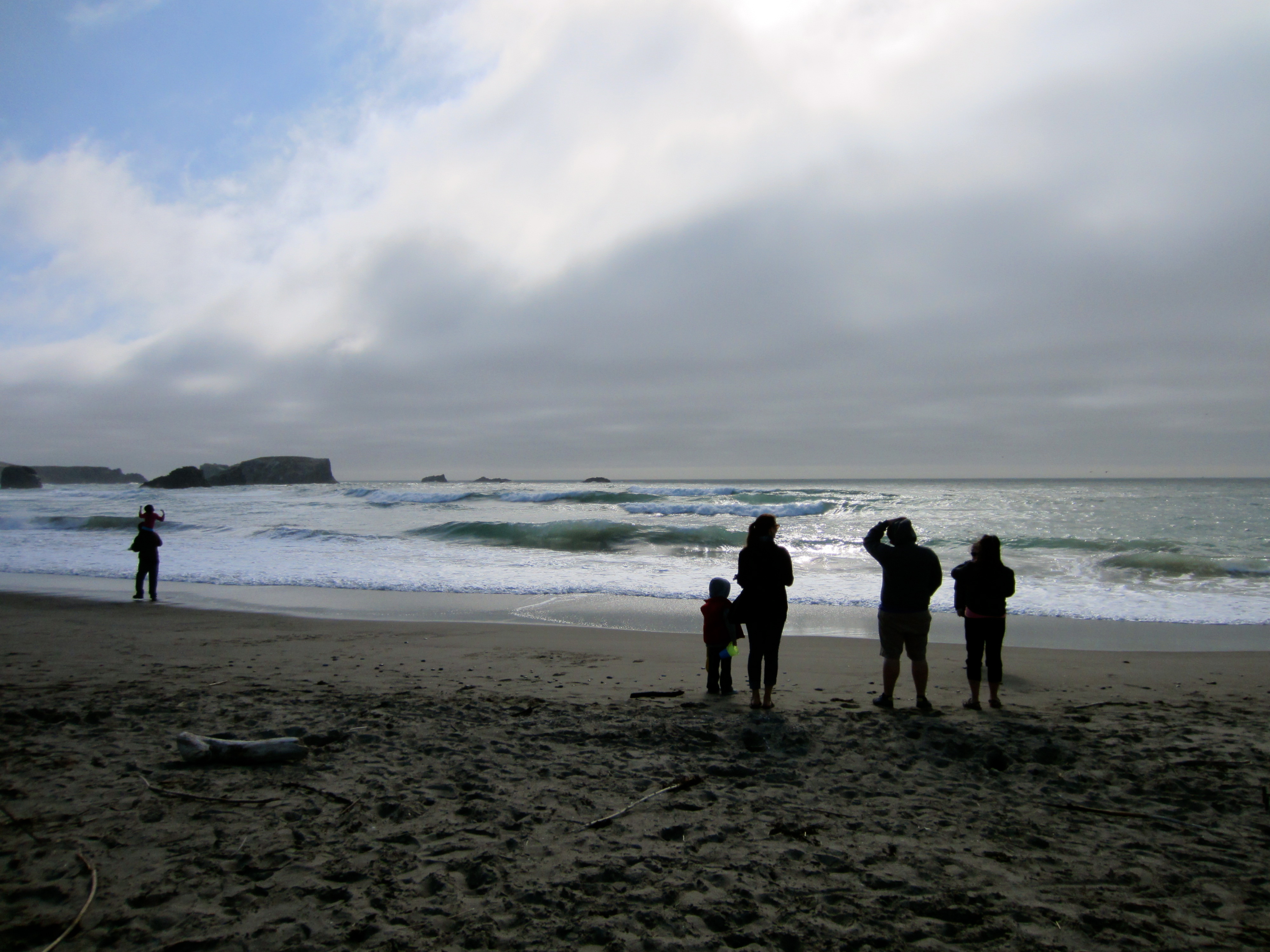
Nearly a week later, looking out at the Oregon coast, my imagination has already crafted these worlds and its two central characters, notes scribbled throughout pages and pages of my little purple notebook. The mermaid, above, and a young man, soon to be missing to the human world, just another kid swallowed by the Pacific Northwest, little flyers posted in the towns, asking if anyone has seen him, assuming he ran away or got lost camping, like the others.
What I have learned during recent months, while finishing up Expecting Happiness, is that I have to strike while the iron is hot. Stories come and go from my mind and in order for them to come to fruition I have to get to work immediately. I was already researching a mainstream, realistic fiction project with a different twist on the tormented world of human trafficking. I had it roughly outlined, but then time passed while I finished my first book and now mermaids sound more appealing.
So, even as I finish that last read through my recent rewrites and prepare to send out queries, I’m also writing about mermaids. I fear that if I wait, this idea will be swallowed up by another. Besides, staring out at the crashing waves beyond my window, inspiration abounds. I just wish Expecting Happiness would finish itself, because writing is the fun part, editing/revising, not so much. I’ll leave you with a small peak at my dark mermaid.
***
He had watched her every night for nearly a week, unable to take his eyes off her as she swam, naked in the icy ocean. From the cover of his driftwood structure, he peered out at her, squinting to focus on her smooth skin beneath the moonlight. The first night, he thought she was a figment of his imagination, the result of shifting light beneath the fast moving clouds. However, each evening after he put out his campfire and retreated to the make-shift shelter, she returned.
Some nights, he could see her better than others, depending on the moon. Tonight, the moon was full, its light cascading over the sand, bouncing back toward the sky, a dull glow. The stars shone bright above the beach, unobscured in a rare, cloudless moment. Carefully, he pulled himself through the opening of his crude shelter, cautious not to knock over the paddles to his kayak, worried that any noise might scare her back into the water.
He was still uncertain where she came from. She always appeared from nowhere, as though she climbed out of the sea. He figured she must be camping up the way, his own small bay the calmest spot to swim. Even so, he would not get in that water without his kayak, the roiling waves and icy cold too much for most strong swimmers. He had watched more than one surfer paddle out in a full wet suit just to be pummeled by the waves and head back in.
Still, there she was, naked, riding in on the waves, diving beneath the breaks, emerging with her long, dark hair clinging to her breasts. She was child-like in her play, alternating between the water and the shore, chasing the waves in and out. He thought he heard her laughing as she ran, at first quiet like a whisper, then howling, alive and wild.
In truth, he had not emerged from the structure the previous nights because she scared him. The freedom of her body, the rawness of her loud laughter, almost animal-like. Eventually, she would disappear, leaving him aching to touch her cold skin…
The importance of childhood memories has been bombarding me lately. First, the suggestion by a careful listener to my book that my characters needed to be softened through their childhood memories, then bird by bird underlining the importance of conjuring up the past as a writing exercise, and then, finally, listening to The Perks of Being a Wallflower on our car ride to Oregon, paying special attention to how the protagonist recalls his own childhood woven seamlessly together with his present.
So, sitting in the car with my husband, brother, and sister, caravanning with the other half of our family in the car in front of us, headed toward what is a yearly family retreat up on the Oregon coast, I decided there was no better place to conjure up the past. As a way to pass the time, I asked everyone to share the first childhood memory that came to mind, then we dug deeper, and deeper, until finally the memories were flowing, randomly associated to the ones before, bouncing us all around the sharp and smooth corners of our childhoods.
Thinking back on my own experiences, I realized my memories are already blurred. It is hard to distinguish between fact and fiction, between what really happened, what I was told happened, and what I probably picked up from some other stories somewhere along the way. Throughout the past couple weeks, I have been reading Milan Kundera’s The Book of Laughter and Forgetting, which while often scattered, is also layered with the complexity of memory and how it propels us forward, even when blurred around the edges.
I’ll leave you with the first blurry memory that came to me playing this game in the car. I invite you try the same thing with those you love or as a writing exercise. You might find something important buried deep inside yourself, something worth remembering.
***
For a short period of time following my parents’ divorce, we lived with my aunt deep in the eastern foothills of California. Maybe it was not that deep, but as a child it felt like it. We were easily thirty minutes outside Placerville, which is really only a small town itself. To reach Sacramento probably took about an hour and a half, although time is warped in childhood, so maybe it was not quite as far as I remember. Regardless, it was a different world than my brother and I were used to.
In order to reach her house, you had to drive down a long dirt road that was covered in frogs during the late spring, precious little croaking green things that would get stuck in the tires, smashed flat across the dusty road, or worse yet, squashed unwillingly beneath your bare feet. There were no other houses within eyesight, only trees and the kind of pond any kid would dream about. Galoshes were a necessity for traversing the muddy banks, and a huge Border Collie, German Shepard, perhaps even Saint Bernard, mix of a dog named Muttly followed us around, keeping close eye on everything we did.
Save for the occasional encounter with a coiled, ticking rattle snake, it was a childhood heaven. I can still smell the dusty, dry, hot earth in summer, taste all the treats my mom protested so much in the sugar drawer, feel the icy cold water of the swimming pool on my face. But what stands out more than my tough aunt taking a shovel to a rattle snake or me coercing feral kittens to love me or watching chicks hatch or bottle feeding baby sheep was an evening spent with my dad on the steps of the wooden deck, staring up at the summer stars through a break in the large oak trees.
That night, my dad held my brother and me close, and told us to absorb this moment because it would soon pass. I remember sitting there, just eight years old, loving my dad so much, sensing the sadness in his acute awareness of the brevity of life. Of course, this same awareness was lacking in me then, but it was his insistence on how important that moment was that forced me to scrunch my little face together and force the memory of those stars and his love for us deep inside my brain. To this day, this is the strongest recollection of my childhood.